BuoyBook
Smart Buoy System with underwater ecosystem view

Innovative Automated Yacht Mooring System

Scroll

Concept

Buoybook is an innovative solution for automating and monetizing yacht mooring on SMART buoys. We provide a convenient service for both buoy parking owners and yachtsmen, creating an ecosystem that simplifies, clarifies, and optimizes the mooring process, making it more transparent and profitable. In addition to buoys, our application is filled with a large amount of useful information and services that may be in demand by yachtsmen.

How does the "Smart Buoy" work?

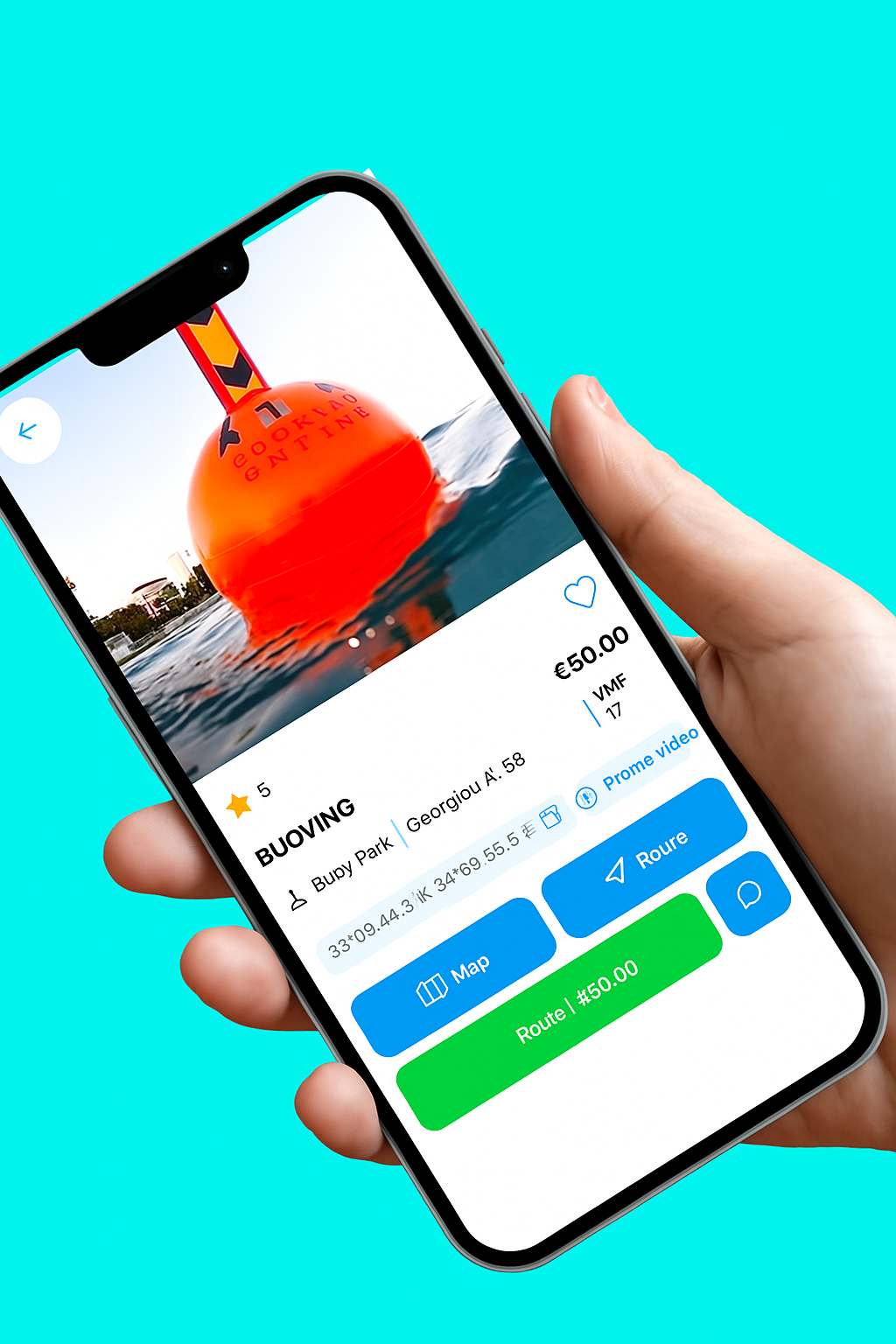
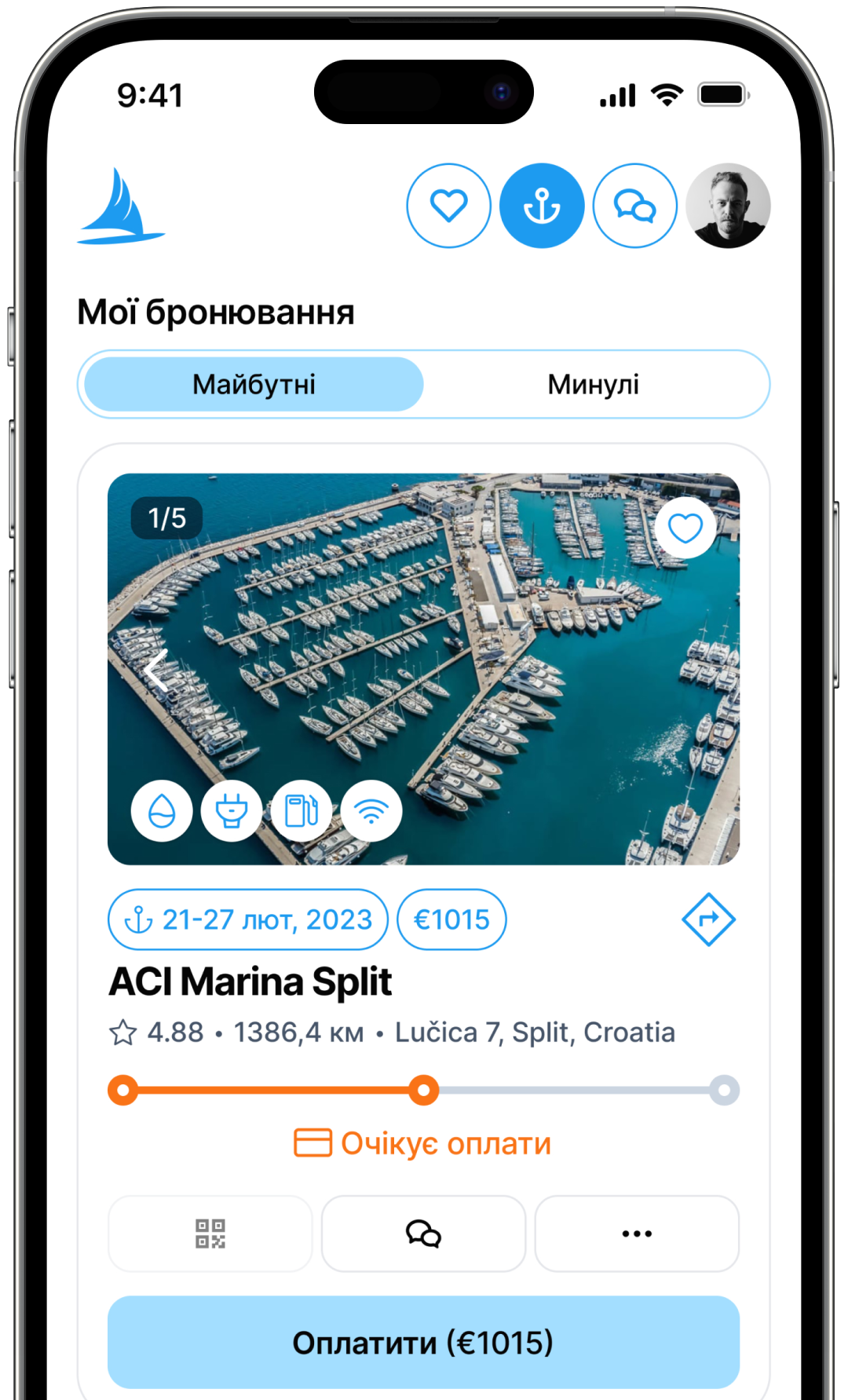
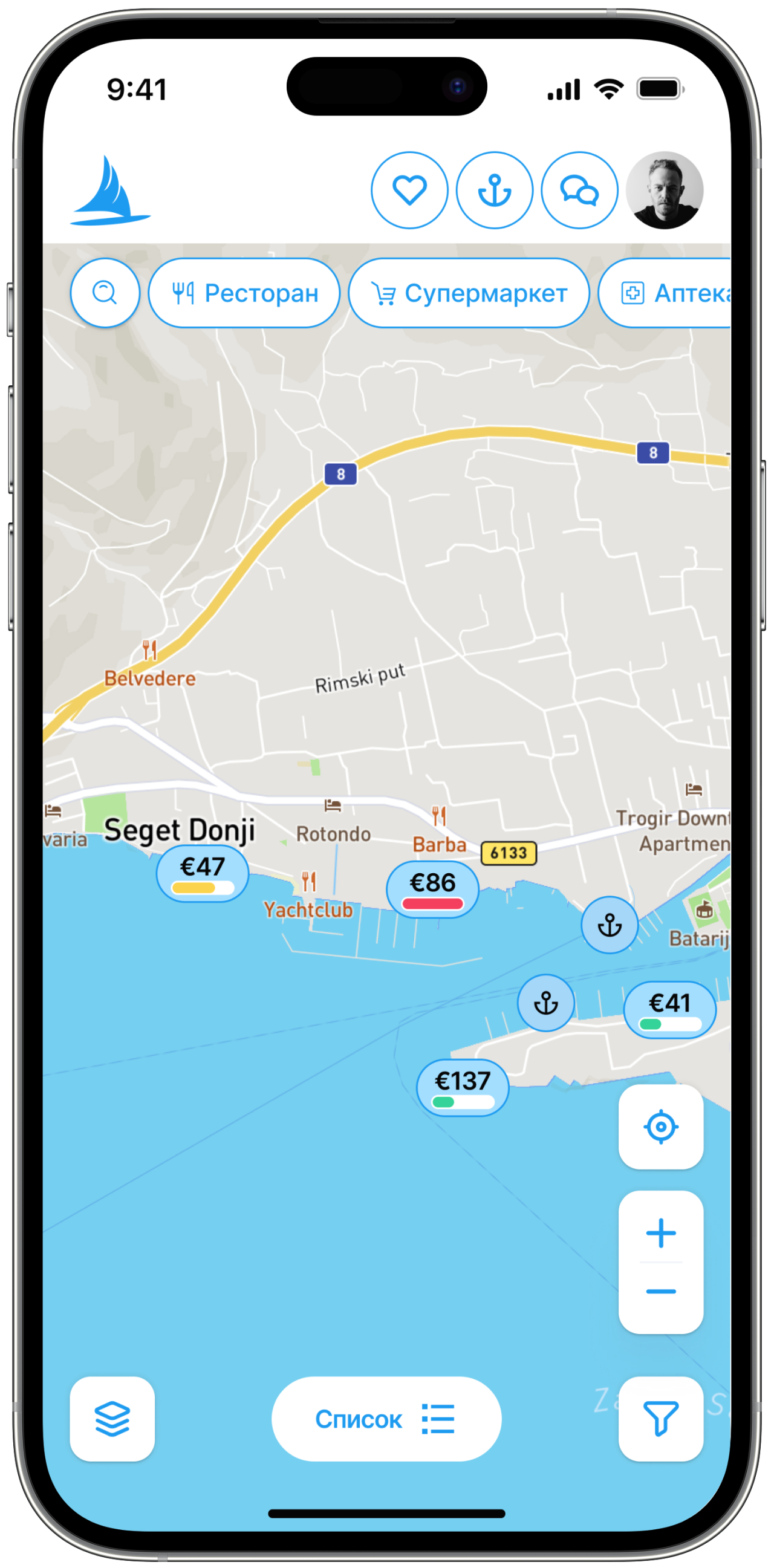
The electromechanical system of the buoy opens or closes the ring, which is typically used to lift the buoy from the water and attach yacht mooring lines to the mooring chain. These actions are initiated through a user-friendly mobile application compatible with both iOS and Android smartphones. Yachtsmen (and users) can find the desired buoy on the in-app map, reserve or pay for mooring rights, and access two control buttons in the app. These buttons allow them to open or close the buoy's ring during the rental period.

This ensures that users can:

  • Secure a mooring spot at their destination in advance.
  • Pay for mooring conveniently via smartphone and credit card.
  • Access essential local contacts to resolve common issues.
  • Temporarily leave the buoy while keeping their reservation active.

Buoy owners, on the other hand, benefit from:

  • Guaranteed mooring payments, even at night, without requiring their physical presence.
  • Full visibility into upcoming reservations and transparent tracking of mooring activities.
  • The ability to offer additional services to customers directly through the app.
BuoyBook mobile app interface showing buoy booking
Beautiful coastal marina with yachts at sunset

Positive aspects for buoy park owners

  • Attracting yachtsmen with a large amount of information about the mooring place, attractions, restaurants, services and facilities.
  • Process Automation: Remote mooring control and transparent accounting.
  • Process Automation: Remote mooring control and transparent accounting.
  • Improved Planning: Insights into parking occupancy, access to customer contacts upon registration and payment, and the ability to offer additional services through the app.
  • Integration with the Global GARMIN Navionics Map: Increased visibility of the mooring location.
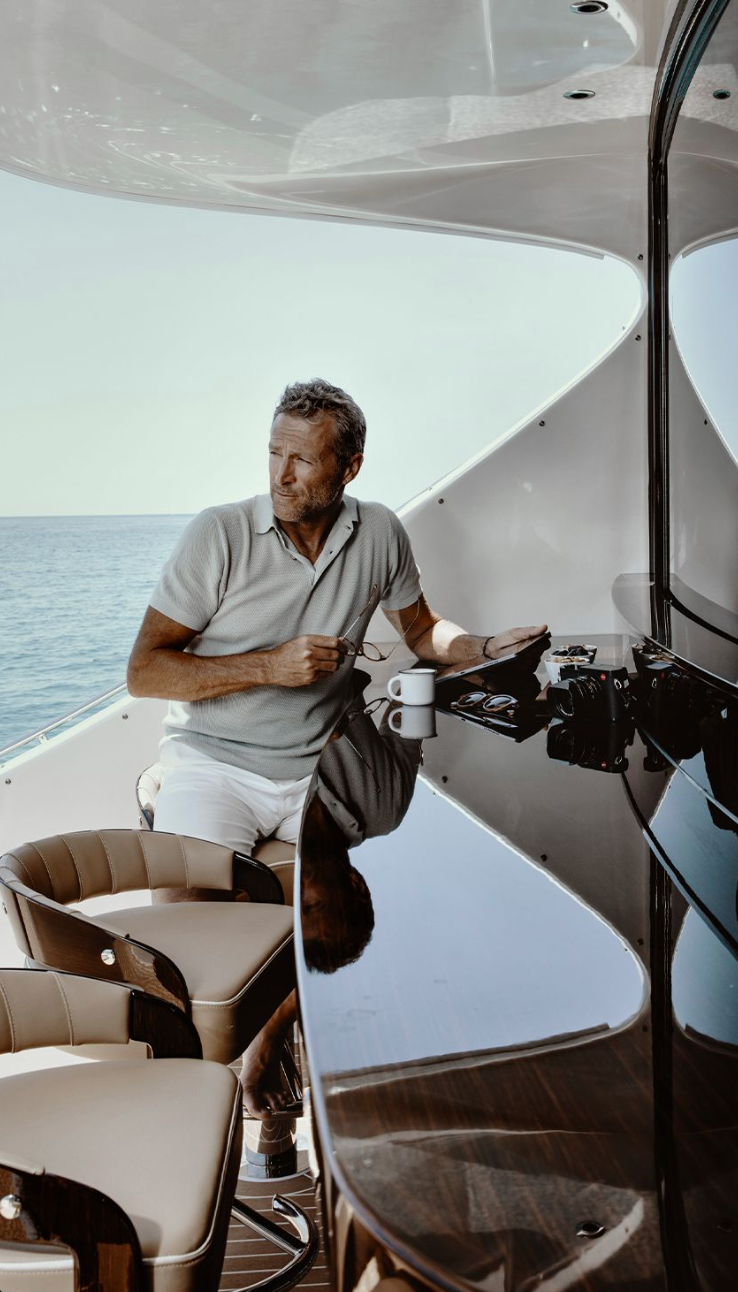
Yachtsman relaxing on luxury yacht

Positive aspects for Yachtsmen (key Users)

  • Guaranteed Mooring Spot: Buoy reservation through the app in advance.
  • Convenient Payment: Support for card payments via smartphone (iOS and Android).
  • Ability to temporarily leave the buoy while guaranteeing spot retention.
  • Information and Support: Access to contacts and services in the mooring area.
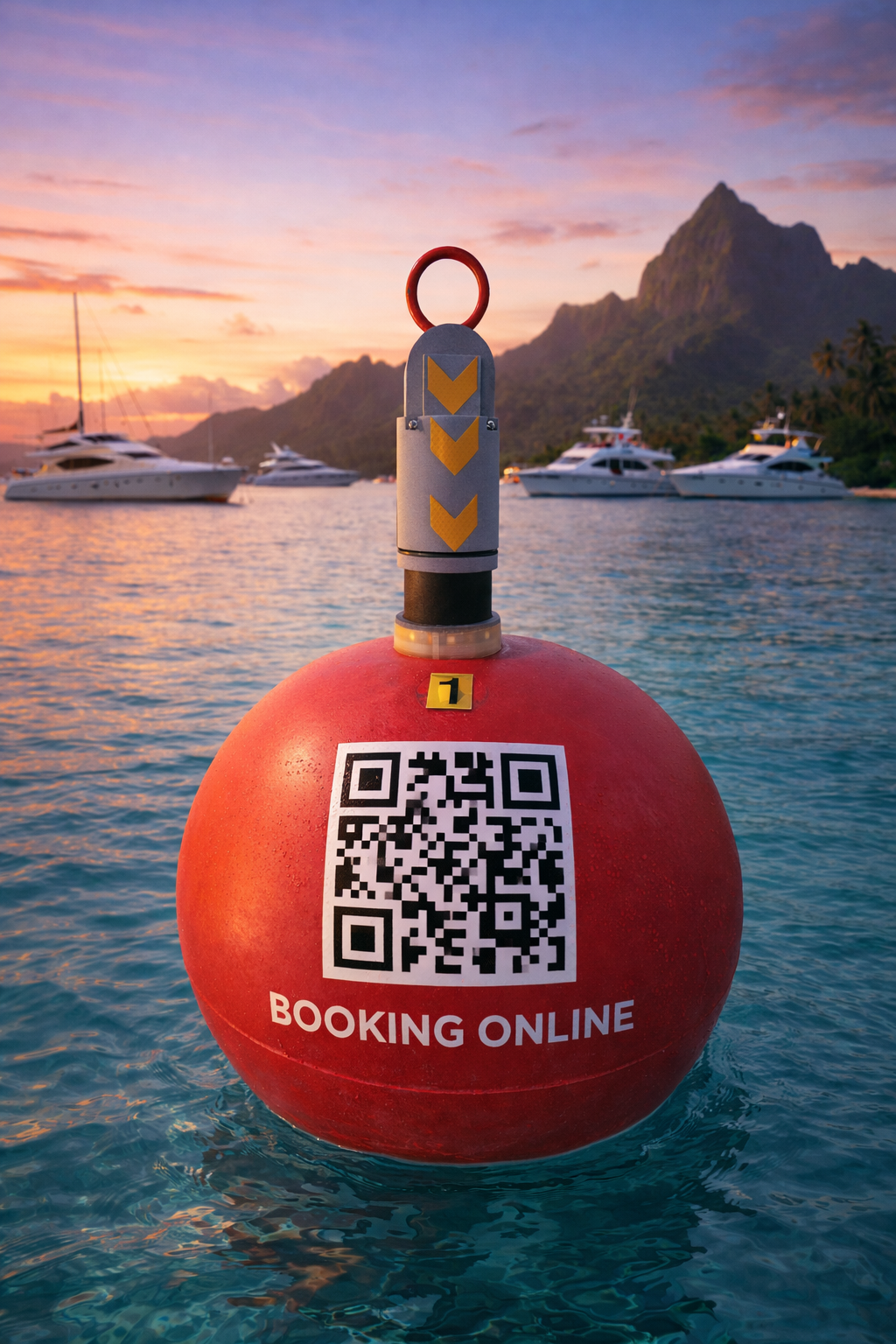
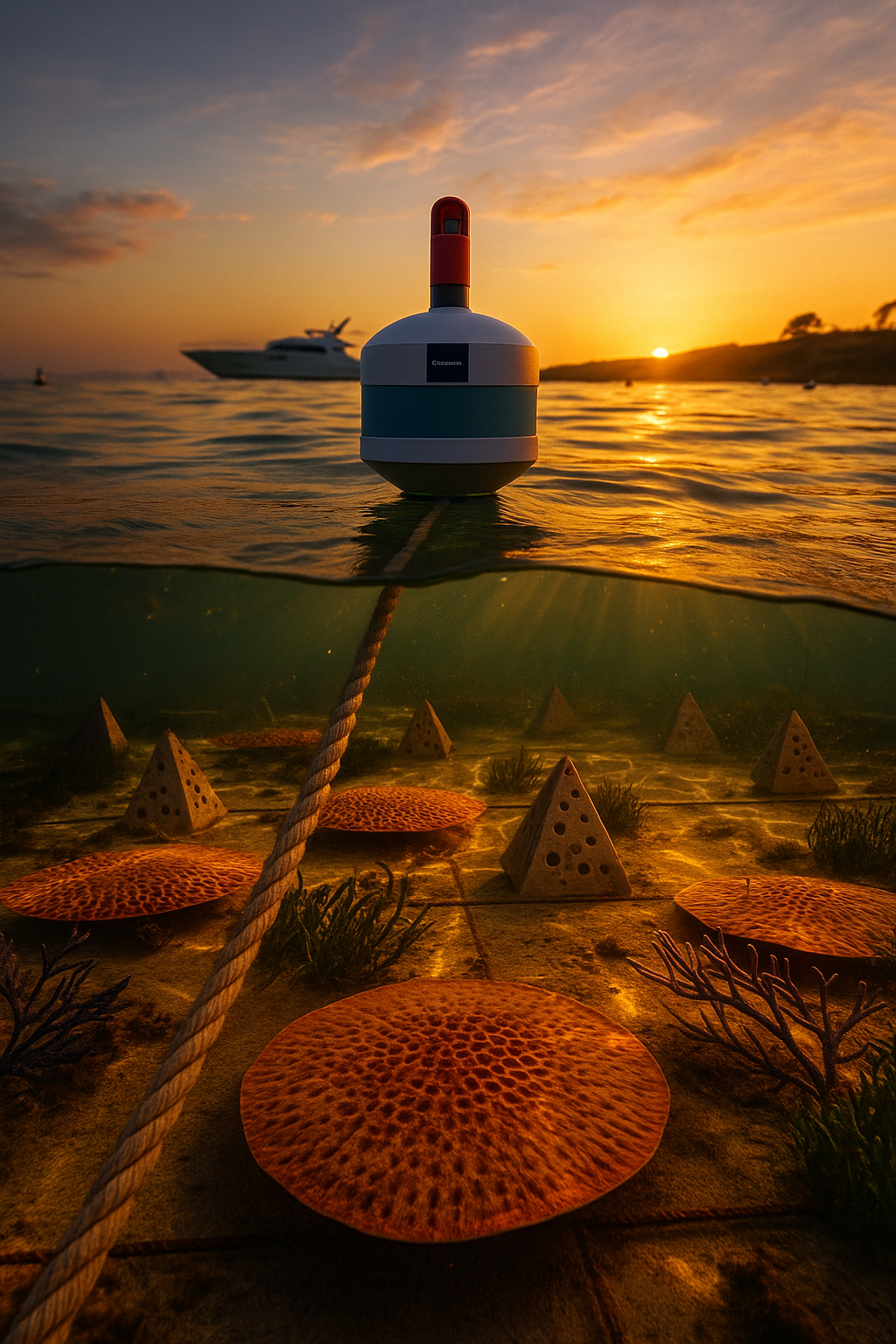
BuoySmart Buoy with QR code for easy identification and booking

Battery Life

Supports over 100 open-close operations without recharging.
Operating Range

Operational radius from the base station exceeds 5 km.

Mooring Assistance Lighting

Equipped with lighting for enhanced visibility during mooring.

Technical Specifications

LoRa

The system utilizes LoRa technology, allowing device control over distances ranging from 0 to 5 kilometers with minimal energy consumption. A single base station can manage hundreds of buoys within its coverage area.

Smart buoy system protecting marine ecosystem

Buoybook - a solution for ecotourism

Mooring on stationary buoys:

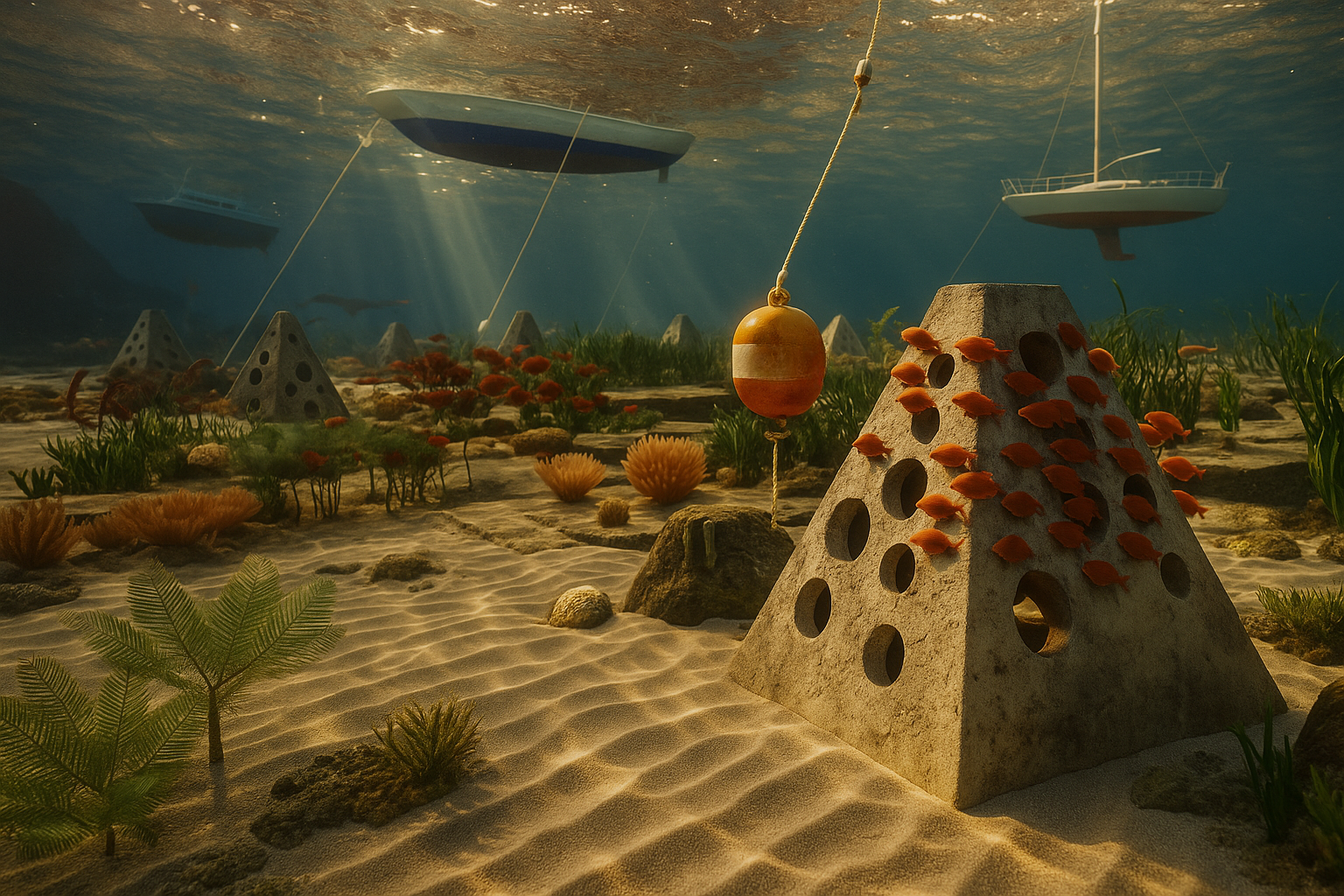
  • Preserves the seabed - no damage to flora or fauna; mooring fixtures can even serve as habitats for marine life.
  • Protects coastal ecosystems from mechanical damage.
  • Supports restoration of the underwater environment in protected areas (with mooring options that become homes for marine life).
  • Promotes sustainable tourism - visitor numbers can be controlled.

Ecological Impact

Why is mooring on buoys more environmentally friendly than traditional anchoring?

Traditional anchoring causes significant damage to the seabed:
  • Heavy anchors destroy underwater flora - seagrasses, algae, and coral reefs.
  • Chains leave deep grooves on the seabed, destroying the habitats of marine organisms.
  • Repeated anchoring in popular bays turns the seabed into a barren wasteland.
Healthy underwater seabed ecosystem with marine life